 United StatesJFK
 MexicoMEX
 BrazilGRU
 ArgentinaEZE
 ChileSCL
 ColombiaBOG
 PeruLIM
 PanamaPTY
 Costa RicaSJO
 Dominican RepublicPUJ
 JamaicaMBJ
 BahamasNAS
 BarbadosBGI
 United KingdomLHR
 IrelandDUB
 FranceCDG
 GermanyFRA
 NetherlandsAMS
 BelgiumBRU
 SwitzerlandZRH
 AustriaVIE
 ItalyFCO
 SpainMAD
 PortugalLIS
 GreeceATH
 TurkeyIST
 DenmarkCPH
 SwedenARN
 NorwayOSL
 FinlandHEL
 PolandWAW
 Czech RepublicPRG
 HungaryBUD
 IcelandKEF
 United Arab EmiratesDXB
 QatarDOH
 Saudi ArabiaRUH
 IsraelTLV
 EgyptCAI
 MoroccoCMN
 South AfricaJNB
 KenyaNBO
 NigeriaLOS
 IndiaDEL
 PakistanLHE
 Sri LankaCMB
 SingaporeSIN
 MalaysiaKUL
 ThailandBKK
 VietnamSGN
 PhilippinesMNL
 IndonesiaCGK
 Hong KongHKG
 ChinaPVG
 TaiwanTPE
 JapanHND
 South KoreaICN
 AustraliaSYD
 New ZealandAKL
What is the Brome-Missisquoi wine route, and can you do it in a day from Montréal?
It is a marked 160 km tourism trail through Québec's Eastern Townships with 24 wineries, reached by Autoroute 10 in roughly an hour to ninety minutes from downtown Montréal. A day covers three to four tastings in one cluster, such as Dunham and Frelighsburg, with a chauffeur driving.
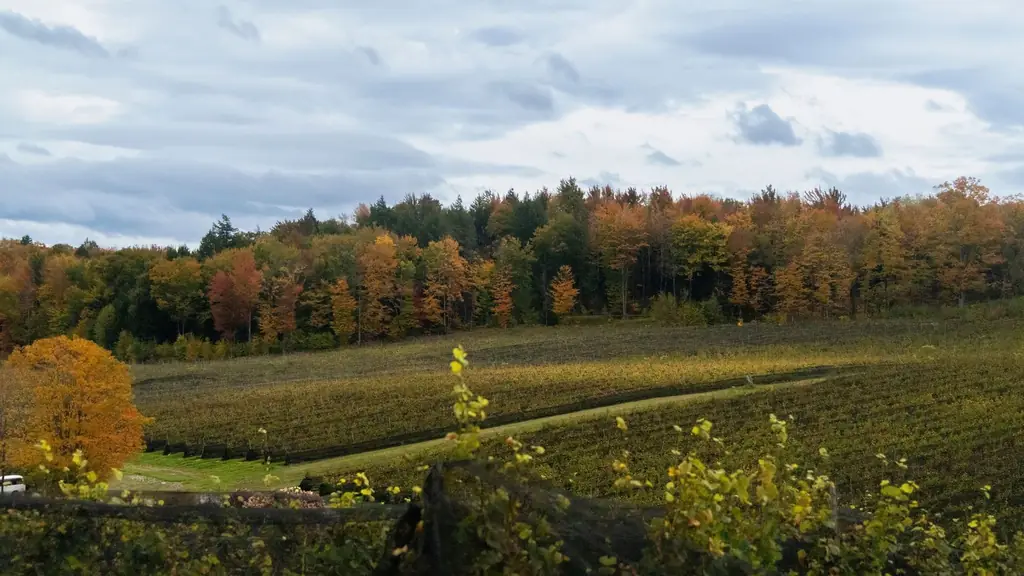
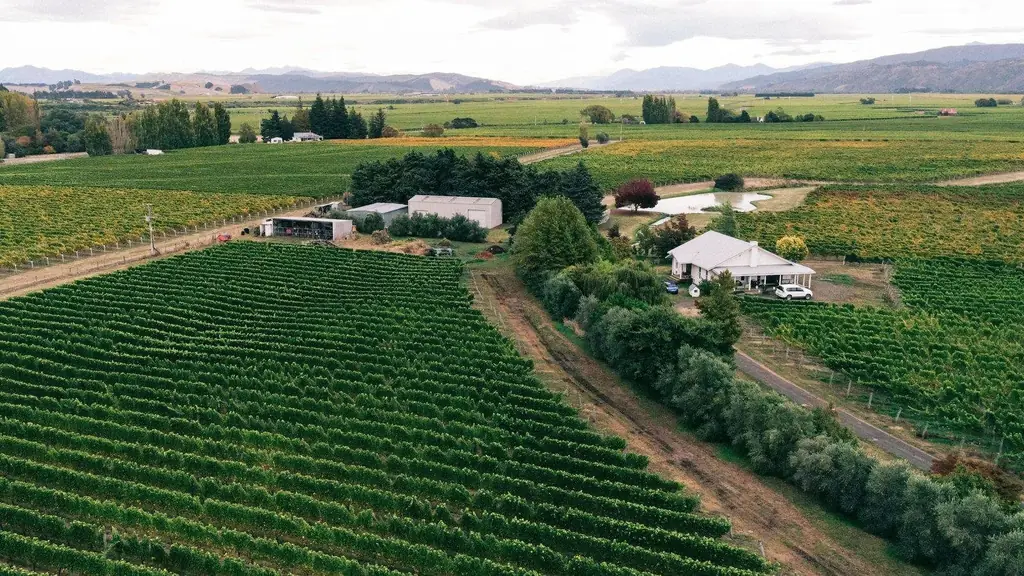
Québec produces wine in a place most visitors do not expect: a pocket of rolling farmland south-east of Montréal, close to the Vermont border, where orchards, cideries, breweries and vineyards share the same back roads. The wine route's own site describes a 160 km marked trail with 24 wineries, some among the oldest in Québec, which together produce more than a third of the province's wine. It also lists over 100 partner businesses, which is why a visit tends to include a cheese, a cider, a lunch and a walk as well as a tasting.
For a visitor already in Montréal, it is one of the easiest escapes from the city. It is also one of the best examples of why a wine day needs a driver. The roads are rural, the stops are spread along loops that run from 32 km to well over 100 km, and the route's FAQ says plainly that there is no shuttle between vineyards. A private car turns it into a relaxed day.
If you are comparing regions, read our guide to the Prince Edward County wine weekend in Ontario, which suits a two-day stay. This post is written from the curb: the roads, the villages, when the wineries are open, where a car can wait and where a bike, your own car or a guided tour is honestly the better choice. For bookings across the province see our Eastern Townships limo page and the wine tour limousine service.
How far is it from Montréal, and which road do you take?
Tourism guides differ slightly. One puts the Eastern Townships at less than an hour from Montréal, another gives about 90 km east of the city on Autoroute 10 for the Dunham area, and a third says about 90 minutes from downtown. All of that is consistent with a simple rule: plan one hour on a quiet morning and up to ninety minutes when traffic is heavy, with the village you choose changing the number. The booker shows the exact time and fare for your address, so use it rather than a guidebook figure.
The route is Autoroute 10 east from the Champlain Bridge area, then local roads into the vineyards. The slow part is leaving the island, not the countryside. Weekday mornings and Friday afternoons are the usual bottlenecks, and the return on a Sunday evening can be slow. A Saturday departure mid-morning avoids most of it.
For a longer corridor trip, see the Montréal to Eastern Townships route page, which covers the autoroute and the other towns in the region. If you are travelling from Toronto, remember that Montréal itself is 541 km away, so the wine route works best as a stop after you arrive: see the Toronto to Montréal route.
The Triangle: Dunham, Frelighsburg and Stanbridge East
The route offers seven driving circuits, with distances that range from 32 km to 130 km. The shortest, called Le Triangle, links Dunham, Frelighsburg and Stanbridge East. The route site says the Triangle has a grouping of 10 vineyards, a loop of 32 km, and merits more than a day of touring. It suggests three days at three stops a day, which tells you how much there is to see.
For a one-day chauffeured trip we would pick two or three stops in the Triangle and leave the rest for another visit. The route's itinerary page names these among the Triangle stops:
- Dunham: Domaine des Côtes d'Ardoise, Union Libre, Vignoble Gagliano and Brasserie Dunham.
- Frelighsburg: Cidre Choinière, Maison Agricole Joy Hill and Ecoterre.
The same page notes that its attraction names do not always match their descriptions, so confirm each stop with the winery before you build a schedule around it. Several stops close at 17h00, and Brasserie Dunham closes at 21h00.
Some details that help planning: Brasserie Dunham has a restaurant pub with a terrace, Vignoble Gagliano bakes pizza in wood-fired ovens, and Cidre Choinière and Union Libre have picnic areas. Domaine des Côtes d'Ardoise hosts the Nature et Création outdoor art exhibition. Overnight stays are possible at the Villa du Vignoble on the Clos Ste-Croix estate in Dunham. Read the full detail on the Le Triangle page.
Other circuits: Brome Lake, Sutton and beyond
If you want a different feel, the route offers other loops. The driving list on the route site gives:
| Circuit | Length | Duration |
|---|---|---|
| Le Gourmand | 120 km | 3 days |
| L'Axe Sutton, Lac-Brome | 43 km | 2 days |
| Le Triangle | 32 km | not listed |
| The Stretch | 70 km | not listed |
| La Balade | 33 km | not listed |
| Prohibition Heritage Trail | 130 km | not listed |
| Winter circuit | 51 km | not listed |
The Tastet food guide, which profiled the route, names a handful of stops outside the Triangle: Vignoble la Bauge in Brigham, Léon Courville Vineyard on hillsides above Brome Lake, and boutique shops in Knowlton and Cowansville. It also credits Clos Saragnat in Frelighsburg with inventing ice cider in Québec in 1989, and mentions straw wine and organic ciders there. Ice cider is the regional speciality worth asking for.
A chauffeur can combine a Triangle morning with a Brome Lake afternoon if you prefer variety, but the total drive grows. Check the driving routes page for the full list.
When to go: the season runs to Canadian Thanksgiving
The route's FAQ is clear about timing, and it is the most useful thing to know before you pick a date.
- Harvest, the vendange, runs from mid-September to mid-October and is the peak season, with many special activities. Some vineyards let guests take part, but you should reserve in advance.
- Most wineries welcome visitors from June 24 to Canadian Thanksgiving. In 2026 Canadian Thanksgiving is Monday, October 12. Hours vary, so check each location.
- November to April is the low season. Some wineries close, others reduce their hours, and some require a reservation.
- Winter has its own circuit. The route lists a 51 km winter circuit rated easy.
The route has an events page, but the version we opened listed only completed events, including harvest pizza and harvest days at several vineyards. Treat any event as unconfirmed until you have checked the date with the winery, since dates change every year.
For a first visit, the weeks around the harvest are the most atmospheric, and the weeks after Thanksgiving the quietest. A weekday also beats a weekend if your calendar allows.
What a tasting costs and how many to plan
The route FAQ says route access is free, tastings are paid, and the usual figure is $15 to $35 each (as of 2026). It recommends planning three or four wineries a day, spending 30 to 90 minutes at each. Reservations are not needed to enter wineries or tasting rooms, though booking ahead is recommended for guided tours, special activities and off-peak visits.
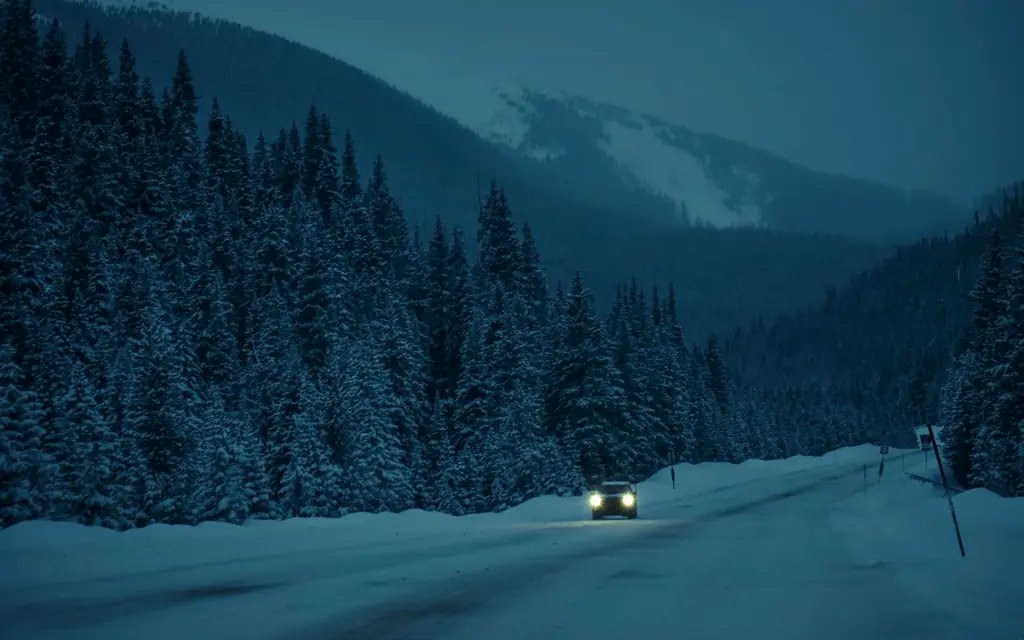
Good habits from the same route FAQ: taste light, dry wines before sweeter ones, eat between visits, drink water and have a designated driver. A chauffeur is the designated driver on this trip, and that is the whole point of booking one.
Stay realistic about the day. Four tastings plus a proper lunch fills about six hours on the ground. Add the drive each way and you have a nine-hour day, which is long but comfortable in a vehicle with room to sit back.
Where a car can and cannot stop
From the curb, here is what to expect. Most of the stops are on country roads, and the villages are small.
Dunham and Frelighsburg village centres. Both are small. The chauffeur drops you at the door of the restaurant or shop, or a block away if the street is busy.
Vineyards. Wineries do not publish pickup procedures, so the chauffeur confirms the exact spot with you or with the winery before each stop.
Brasseries and restaurants. Brasserie Dunham has a restaurant pub with a terrace and stays open until 21h00. Book a table and tell the host you are arriving by car service.
Roadside. The back roads are narrow. Farm vehicles and cyclists share them, particularly on the route's four suggested bike itineraries. Do not expect to stop on a shoulder to photograph a vineyard.
Pickup in Montréal: hotels, Central Station and Trudeau
Most groups begin in one of three places.
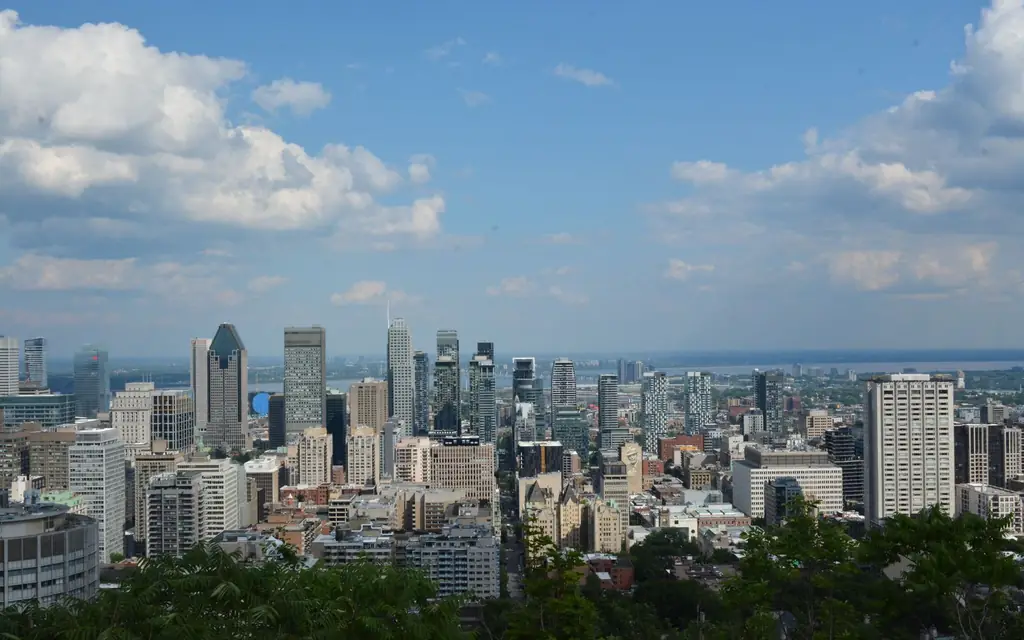
- Downtown hotels. Our Montréal limo page covers hotel pickups across the city, and the chauffeur meets you at the hotel entrance or a side street if the front is blocked.
- Gare Centrale. If you arrive by train, the Montréal Central Station page explains the pickup.
- Trudeau Airport. Flight tracking is included on every airport pickup, with 60 minutes of free waiting after landing on international arrivals and 30 on domestic ones. See the Montréal-Trudeau airport page. The REM airport branch is not open yet and is expected in 2027, with no official date, so a car remains the dependable link to the airport.
Service in Québec runs in English and French.
Vehicles and groups
- Two or three guests. Executive Sedan, up to three passengers, with two large bags and two carry-on bags.
- Four to six. Luxury SUV, up to six passengers with five or six large bags. The usual choice for a wine day.
- Eight to fourteen. Executive Sprinter, twelve to fourteen passengers, twelve or more bags.
- Larger parties. Stretch limousines (8 to 10 passengers, hourly) and mini-coaches or party buses (20 to 30, hourly), with availability and the exact vehicle confirmed at booking.
See the fleet page for the full list. For a day that stays with you between stops, the hourly chauffeur service explains the format. Alcohol rules on board follow Québec law and are confirmed at booking, and we never promise drinks in the vehicle. Children are welcome at most estates, though some are more kid-friendly than others, according to the route FAQ. Child, toddler and booster seats are available when requested at booking.
Combine with Montréal: Old Montréal, Mount Royal or the Laurentians
Wine-route days usually bookend a city stay. Two good companion reads: the Old Montréal walking and car day for the part of town where a car stops and the walking starts, and the Mount Royal and Plateau loop for a neighbourhood afternoon. If you would rather go north than south, see the Saint-Sauveur and Laurentians spa day from Montréal.
The Québec hub page lists every city and region we serve, if you want to extend the trip toward Québec City or Mont-Tremblant.
Honest alternatives: your own car, a bike, a guided tour
| Option | Typical time from Montréal | Cost note | Best for |
|---|---|---|---|
| Self-drive | About 1 to 1.5 hours, around 90 km | Lowest, plus fuel | A couple with a designated driver |
| Cycling | Local loops of 32 to 43 km | Low | Fit riders staying in the area |
| Guided tour with a route partner | A full day | Per-person | Solo visitors who want company |
| Chauffeured private car | About 1 to 1.5 hours | Fixed fare via the booker | Groups who want to taste and set their own pace |
The route site lists four suggested bike routes and says that you can book a guided tour with a partner if you would rather not drive. It also says there is no shuttle between vineyards, which rules out a pure public-transit day. A designated driver in your own car is the lowest-cost option, and cycling the Triangle in warm weather is a good plan for the fit. The private car wins for a group of four or more who want lunch, tastings and no one watching the clock.
Booking the day
Enter your Montréal pickup address, choose Dunham or Frelighsburg as the destination, and pick a vehicle. The booker shows the exact all-in fare for your address and vehicle before you confirm. Add the winery or restaurant names to the notes so the chauffeur can sequence the stops.
For more ideas see the attractions page, the events page and the blog index.
Frequently asked questions
How far is the Brome-Missisquoi wine route from Montréal?
Tourism guides give about 90 km via Autoroute 10, roughly one hour to ninety minutes depending on traffic and village. The booker shows the exact time for your address.
How many wineries are on the route?
The route site lists 24 wineries on a 160 km marked trail, with over 100 partner businesses. The Triangle loop around Dunham, Frelighsburg and Stanbridge East groups 10 vineyards.
Do I need reservations at the wineries?
The route FAQ says reservations are not needed to enter wineries or tasting rooms. It recommends booking ahead for guided tours, special activities and off-peak visits.
When is the best time to visit?
The harvest runs from mid-September to mid-October and is the peak season. Most wineries welcome visitors from June 24 to Canadian Thanksgiving, which falls on October 12 in 2026. From November to April some wineries close or reduce their hours.
How many tastings can we fit in a day?
The route FAQ suggests three or four wineries a day, spending 30 to 90 minutes at each.
Can we have drinks in the vehicle?
We never promise drinks on board. Alcohol rules follow Québec law and are confirmed at booking.
Is service available in French?
Yes. Service in Québec runs in English and French.
Is there a shuttle between vineyards?
No, according to the route FAQ. You can book a guided tour with a partner, hire a chauffeur or arrange a designated driver.
Can we come from Toronto for the day?
It is not realistic. Toronto to Montréal is 541 km, so most visitors stay in Montréal and treat the wine route as a day out from there.