 United StatesJFK
 MexicoMEX
 BrazilGRU
 ArgentinaEZE
 ChileSCL
 ColombiaBOG
 PeruLIM
 PanamaPTY
 Costa RicaSJO
 Dominican RepublicPUJ
 JamaicaMBJ
 BahamasNAS
 BarbadosBGI
 United KingdomLHR
 IrelandDUB
 FranceCDG
 GermanyFRA
 NetherlandsAMS
 BelgiumBRU
 SwitzerlandZRH
 AustriaVIE
 ItalyFCO
 SpainMAD
 PortugalLIS
 GreeceATH
 TurkeyIST
 DenmarkCPH
 SwedenARN
 NorwayOSL
 FinlandHEL
 PolandWAW
 Czech RepublicPRG
 HungaryBUD
 IcelandKEF
 United Arab EmiratesDXB
 QatarDOH
 Saudi ArabiaRUH
 IsraelTLV
 EgyptCAI
 MoroccoCMN
 South AfricaJNB
 KenyaNBO
 NigeriaLOS
 IndiaDEL
 PakistanLHE
 Sri LankaCMB
 SingaporeSIN
 MalaysiaKUL
 ThailandBKK
 VietnamSGN
 PhilippinesMNL
 IndonesiaCGK
 Hong KongHKG
 ChinaPVG
 TaiwanTPE
 JapanHND
 South KoreaICN
 AustraliaSYD
 New ZealandAKL
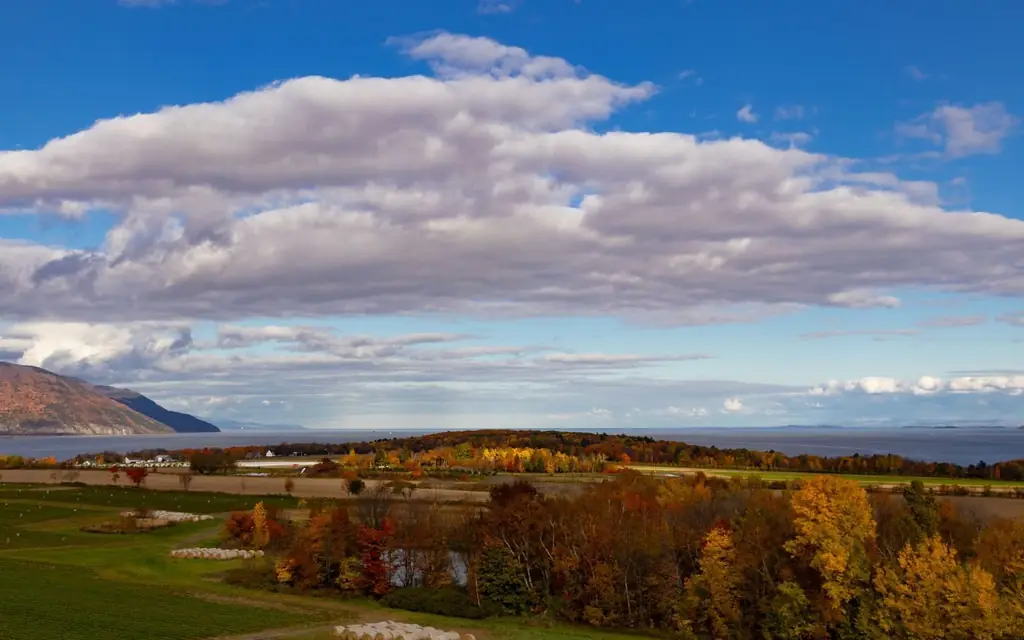
Île d'Orléans lies in the St. Lawrence just downriver from Québec City, and one road circles it. The road is the chemin Royal, route 368, about 67 km all the way round, with farms, orchards, vineyards and village churches along the way. It is an easy island to visit and an awkward one to taste on if you are the one driving. This guide is written from the curb, for readers planning a Québec City limo day on the island, and it is just as useful if you have your own car, a bicycle or a bus pass.
How long does the Île d'Orléans loop take by car?
The loop is about 67 km on the chemin Royal (route 368) and takes roughly one and a half to two hours of driving without stops. With tastings, a lunch and a photograph or two, plan on four to six hours. The island is about 15 km from Old Québec.
The driving time is the smaller part. The island is built for stopping: farm stands, tasting rooms, a church every few kilometres. Most visitors who try to do the loop in two hours leave frustrated, because the point is the stops. A half-day loop covering two or three producers and one meal is the realistic plan, and a full day lets you do the whole circuit at a relaxed pace.
Why the island, and what makes it different
The island has six municipalities and nearly 7,000 permanent residents, according to the island's official tourism site. They are Sainte-Pétronille, Saint-Laurent, Saint-Jean, Saint-François, Sainte-Famille and Saint-Pierre, each with its own page in the site's six villages to discover section. The island is described as very close to Old Québec, and in practice the first village is within a half-hour of the Château Frontenac.
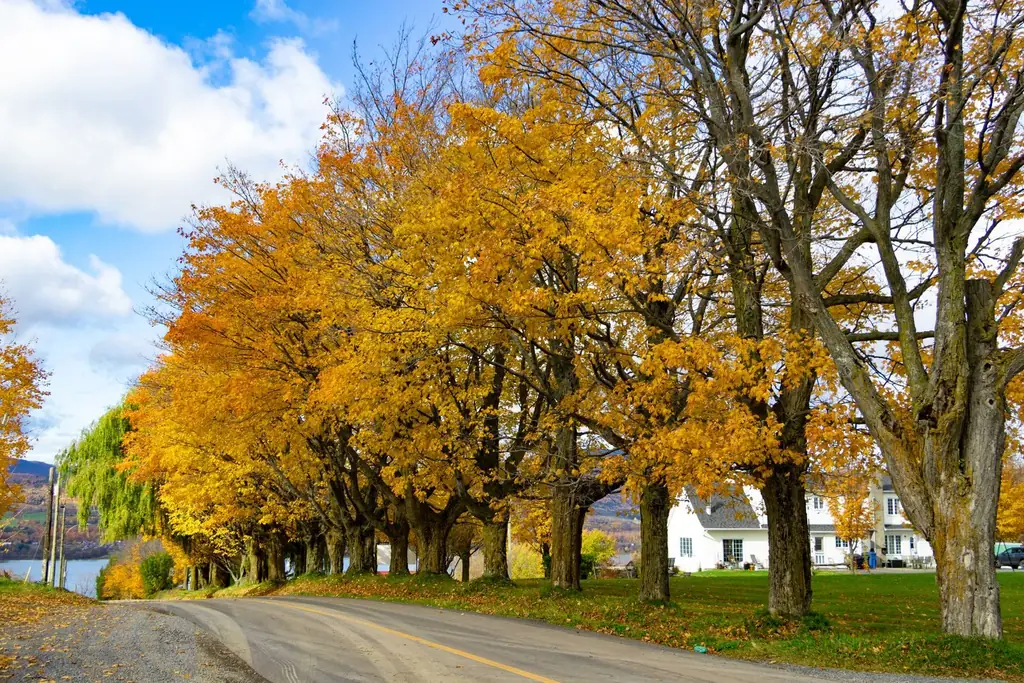
The food culture is the reason people go. The tourism site organizes the island's offering into art and craft, guided tours and visits, nature and river, outdoor activities, places of history, concerts and shows, specialist shops and group welcomes. The producers sit inside those categories: farms, orchards, vineyards and cideries that sell directly to visitors. Jacques Cartier is said to have called it the island of Bacchus in 1535 because of the wild grapes he saw, which is a nice piece of history to bring up while you hold a glass.
One more reason is simple geography. The island looks back across the river at the Québec skyline, so the western end gives you photographs of the city that you cannot take from the city itself.
When to go
There is no bad month for a drive, but the tasting calendar has a rhythm. Many producers are seasonal, and what is on offer depends on the month.
- Early summer: strawberry picking and farm stands are the draw. The roads are green and the days are long.
- Late summer and autumn: orchards and vineyards are at their best, and the autumn harvest brings the most visitors. Weekends in October can be crowded.
- Winter: the island's tourism site has a page for winter outings. Check each producer's season before you plan a tasting.
Opening hours are decided by each producer, and many change with the season, so look at the producer's own page or phone ahead before you build a day around a particular stop.
Getting to the island by car
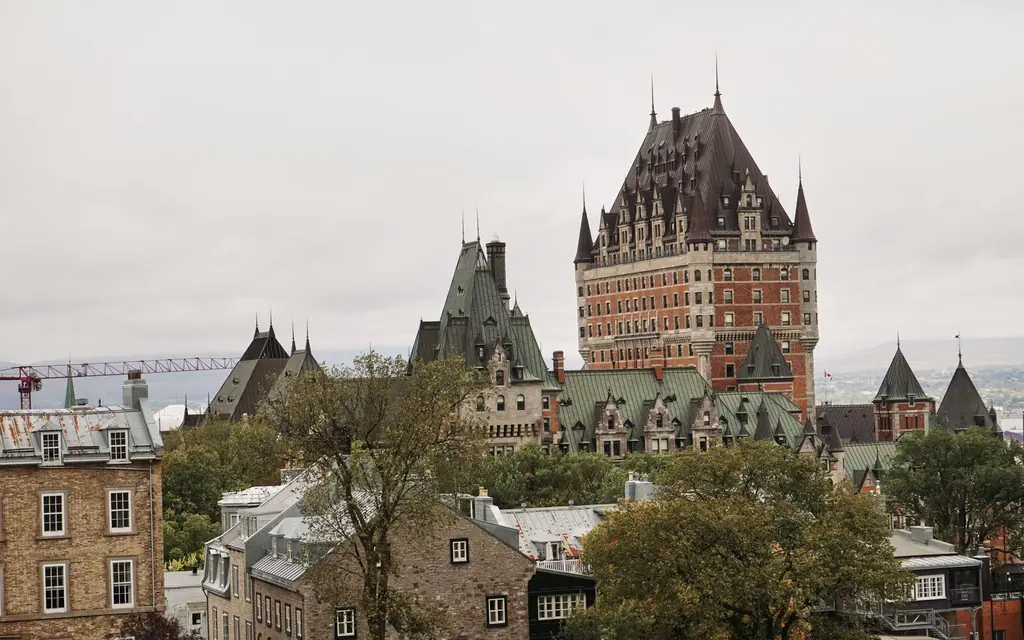
From Old Québec, the island's bridge landing is about 16 km by road, usually 20 minutes outside the peaks. Montmorency Falls is on the way and is about 4 km from the landing, which is why the two make such a good pair; see our guide to Montmorency Falls from Québec City. From Jean-Lesage airport the landing is about 30 km, typically 30–40 minutes, and from the Old City to the western tip at Sainte-Pétronille it is about 20 km via the bridge.
| From | To the island bridge landing | Typical drive |
|---|---|---|
| Château Frontenac / Old Québec | about 16 km | 20–25 minutes |
| Gare du Palais | about 16 km | 20–25 minutes |
| Jean-Lesage Airport (YQB) | about 30 km | 30–40 minutes |
| Montmorency Falls | about 4 km | 7–12 minutes |
Times are off-peak. The route runs along the north shore and then over the island bridge, and a summer weekend can slow the approach. If you are arriving by air, Québec City airport transfers include flight tracking, and a driver can take you straight to the island, with a stop at your hotel for luggage if you prefer.
The tourist office and the first stop
The island's tourist office is on the first stretch after you cross, at 490 côte du Pont in Saint-Pierre. Québec City Tourism lists it as open Monday to Friday from 8 a.m. to 4 p.m. and on weekends from 10 a.m. to 3 p.m., and the office can give you the island tourist guide and map. Hours change by season, so confirm them if you plan to stop.
It is worth ten minutes. Staff can tell you which producers are open that day, who is in season and where the tasting rooms are. The tourism site also carries a current-year tourist guide and map in PDF form, which is helpful if you want to plan a route in advance.
The six villages in order
If you turn from the bridge toward Sainte-Famille first, the municipalities follow one another around the island in this order: Saint-Pierre, Sainte-Famille, Saint-François, Saint-Jean, Saint-Laurent and Sainte-Pétronille, and then you return to Saint-Pierre. Each has a church, a stretch of farmland, and its own set of producers. Rather than ranking them, we suggest picking two villages for a half-day and enjoying the stretch between them.
The island's tourism site lists a museum, the Musée maritime de l'Île d'Orléans, among its attractions, and it advertises special evening tours on selected dates. If you are interested in history rather than tastings, that is a good option for a rainy afternoon.
What you can taste, and how to choose
The producers are the point, and the best method is to pick a few and book ahead. A few names that come up repeatedly in Québec tourism writing, offered here as examples rather than recommendations: Cassis Monna & filles, known for its black currant products; Isle de Bacchus, a vineyard known for ice wines; and Vignoble Sainte-Pétronille, a vineyard near the island's western tip. Check each producer's own site for hours, tastings and any reservation requirement, because policies vary and change.
A few principles help.
- Pick two or three stops, not six. A tasting room visit takes forty-five minutes to an hour with the pour, the conversation and the shop.
- Book ahead on weekends. Some producers take reservations for tastings and meals; others take walk-ins.
- Eat on the island. Several producers have a restaurant or a terrace, and a proper lunch changes the way the afternoon goes.
- Buy light. Cases of wine and cider are heavy. The vehicle classes described below carry a few bottles easily, but a large purchase should be shipped by the producer.
Alcohol rules follow Québec law and are confirmed at booking, and we never promise drinks on board. The tastings happen at the producers; the chauffeur takes you between them.
Why a chauffeur beats a designated driver here
The loop is the textbook case for a driver. A tasting day means two to four tastings, each of them a small glass but together an afternoon of alcohol, and the road is a two-lane road shared with cyclists and tractors. A designated driver spends the day watching others enjoy themselves. A chauffeur lets everyone taste, and also does something less obvious: the car waits while you linger.
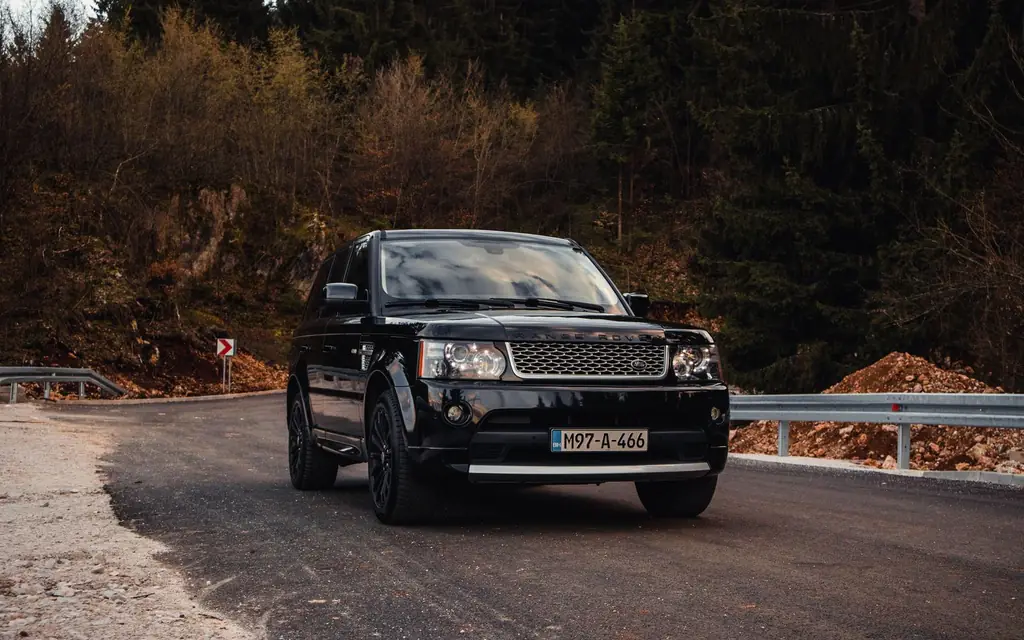
The vehicle matters too. An Executive Sedan takes up to 3 passengers with 2 large and 2 carry-on bags, a Luxury SUV takes up to 6 with 5–6 large bags, and an Executive Sprinter takes 12–14. For a wine day with purchases, the SUV's luggage space is what you want. Stretch limousines and party buses are hourly vehicles, and availability and the exact vehicle are confirmed at booking. Our wine tour limo service covers the pattern in more detail, and our city-tour service is the better fit if you want the island plus the Old City.
The curb reality: stopping on a two-lane island road
Cyclists ride the shoulders of the chemin Royal, so your chauffeur does not stop on the road. Instead, the car turns into each producer's own parking area, and that is where drop-off and pickup happen. If a producer has no obvious parking, the chauffeur confirms the exact spot on arrival and, if needed, finds a safe place nearby.
The practical consequences are simple. Tell the dispatcher in advance how many stops you plan, give approximate timings, and leave a margin between them. When you are ready to leave a stop, message the chauffeur so the car is at the door when you walk out. In peak autumn weekends, parking areas fill, and a few minutes' notice helps.
Families, groups and accessibility
Families do well on the island if the plan is soft: a farm stand, a playground or a field for the children, one tasting for the adults, a meal in the middle. Child, toddler and booster seats are provided when requested at booking; give the number and ages of the children in the notes.
Groups are a good fit. A birthday or anniversary day for six to fourteen people suits an Executive Sprinter, and a larger corporate or family group can arrange an hourly mini-coach or party bus, with the exact vehicle confirmed at booking. Because the tastings serve alcohol, the group should agree in advance on what is and is not allowed on the vehicle; alcohol rules follow Québec law and are confirmed at booking.
For passengers with reduced mobility, farm paths and tasting rooms vary. Tell us at booking, and the chauffeur can choose stops with level access. Producers are the best source for their own access details.
Weather on the island
The island is open to the river, so the wind off the St. Lawrence can change a day. Dress in layers and keep a rain jacket with you.
If rain arrives, the plan is to move inside: a tasting room, a restaurant or the museum. A booking by the hour makes this change easy. The island is a good rainy-day trip because so much of it happens under a roof.
Honest alternatives: bicycle, bus or your own car
A private car is the most comfortable way to do the island and not the only one.
| Option | Time and effort | Cost note | Best for |
|---|---|---|---|
| Bicycle on route 368 | about 4–6 hours for the full 67 km, with some hills | lowest | fit cyclists with a full day and good weather |
| Own car | about 1.5–2 hours of driving plus stops | fuel and tasting-room spending | drivers who do not plan to taste |
| Tour operator | varies by season and operator | tour price | first-time visitors who want a guide |
| Public transit | limited service on the island | low fare | not practical for a loop |
| Private chauffeur | door to door; a waiting driver | fixed fare via booker | tastings, groups, luggage, a tight schedule |
If you are a fit cyclist with a free day and fair weather, the bicycle is a great way to see the island, and the road shoulders are used by riders for exactly this. If you are driving alone and not tasting, your own car is simple and flexible. The chauffeur makes sense when you want to taste, when you are a group, when you are carrying bags, or when you want to combine the island with Montmorency Falls or the Old City in one plan.
Booking a chauffeur for the island loop
Booking takes a minute online. Enter the pickup address, the time and the number of passengers, and the booker shows the all-in fare for your route before you pay. It is a fixed fare, quoted before you book. For a tasting day, book by the hour and tell us your intended stops.
Cancellation: more than 72 hours' notice, no charge; 72 hours or less, 10%; 48 hours or less, 50%; 24 hours or less or no-show, 100%, measured from the scheduled pickup time.
The island sits next to a handful of other trips, so see also a Charlevoix day from Québec City, the Festival d'été de Québec and weddings at Château Frontenac. More ideas are in our attractions guides, the events guides and the blog.
Frequently asked questions
How far is Île d'Orléans from Old Québec?
The island's bridge landing is about 16 km from the Château Frontenac, usually 20–25 minutes outside the peaks. The loop on route 368 is about 67 km. The booker shows the exact fare for your pickup address before you confirm.
How many villages are on the island?
Six: Sainte-Pétronille, Saint-Laurent, Saint-Jean, Saint-François, Sainte-Famille and Saint-Pierre. The island's tourism site says the island has nearly 7,000 permanent residents and invites visitors to explore all six municipalities.
Where is the tourist office?
At 490 côte du Pont in Saint-Pierre, close to the bridge landing. Québec City Tourism lists weekday hours of 8 a.m. to 4 p.m. and weekend hours of 10 a.m. to 3 p.m. Hours change with the season, so confirm before you go.
Can I do the island by public transit?
Not in any practical way. The island has limited public transit, so the realistic options are a car, a bicycle, a tour or a chauffeur. A full circuit by bicycle takes about four to six hours.
Can I taste wine and cider and not drive?
Yes, with a chauffeur. The tastings happen at the producers, and the car takes you between stops. Alcohol rules follow Québec law and are confirmed at booking, and we never promise drinks on board.
How many stops should I plan?
Two or three for a half day, four for a full day. A tasting room visit takes about 45–60 minutes. Book restaurants and popular producers ahead on weekends and in October.
Can you pick me up at Québec City airport and go straight to the island?
Yes. Airport pickups include flight tracking, with 60 minutes of free waiting after landing on international arrivals and 30 minutes on domestic ones. Jean-Lesage airport to the island bridge landing is about 30 km, typically 30–40 minutes.
Is the service available in French?
Yes. Service is available in English and French in Québec, which helps at farm stands and tasting rooms where staff may prefer French.