 United StatesJFK
 MexicoMEX
 BrazilGRU
 ArgentinaEZE
 ChileSCL
 ColombiaBOG
 PeruLIM
 PanamaPTY
 Costa RicaSJO
 Dominican RepublicPUJ
 JamaicaMBJ
 BahamasNAS
 BarbadosBGI
 United KingdomLHR
 IrelandDUB
 FranceCDG
 GermanyFRA
 NetherlandsAMS
 BelgiumBRU
 SwitzerlandZRH
 AustriaVIE
 ItalyFCO
 SpainMAD
 PortugalLIS
 GreeceATH
 TurkeyIST
 DenmarkCPH
 SwedenARN
 NorwayOSL
 FinlandHEL
 PolandWAW
 Czech RepublicPRG
 HungaryBUD
 IcelandKEF
 United Arab EmiratesDXB
 QatarDOH
 Saudi ArabiaRUH
 IsraelTLV
 EgyptCAI
 MoroccoCMN
 South AfricaJNB
 KenyaNBO
 NigeriaLOS
 IndiaDEL
 PakistanLHE
 Sri LankaCMB
 SingaporeSIN
 MalaysiaKUL
 ThailandBKK
 VietnamSGN
 PhilippinesMNL
 IndonesiaCGK
 Hong KongHKG
 ChinaPVG
 TaiwanTPE
 JapanHND
 South KoreaICN
 AustraliaSYD
 New ZealandAKL
The Festival d'été de Québec, known to everyone in the city as the FEQ, is the one event where Québec City stops behaving like a quiet walled town. For eleven days in July the Plains of Abraham become an open-air concert site, the Grande Allée turns into a pedestrian corridor in the afternoons, and every hotel from Old Québec to Sainte-Foy fills. A car is not the obvious tool for that kind of week. Used properly, though, a chauffeur-driven car solves three specific problems: the long trip in from Montréal, Toronto or the airport, the awkward hour after the headliner finishes, and the late return for anyone who does not want to queue for a bus. This guide is written from the curb, for readers who are planning a Québec City limo or black car around the festival and for readers who never intend to book one.
What is the Festival d'été de Québec and when does it run?
The Festival d'été de Québec is an 11-day summer music festival centred on the Plains of Abraham, with free and ticketed stages across the city. It runs in July. The festival lists its next edition as 8 to 18 July 2027. Dates move each year, so confirm them on the official site.
The festival's own website describes the event as eleven days of music in the heart of Québec. Its home page lists the next edition as 8 to 18 July 2027 and the one after that as 6 to 16 July 2028, which tells you the pattern: early to mid July, a Thursday start, a Sunday finish. The 2026 edition ran from 9 to 19 July. The exact dates, the lineup and the pass types are announced in stages, and none of that is ours to predict, so treat the official Festival d'été de Québec site as the only source for dates and tickets. Buy passes there rather than from resellers.
Why do people travel for it? The scale: large outdoor concerts beside the old city, international headliners alongside Québec acts, and a historic centre where you can sleep a few minutes from the site.
The sites: Plains of Abraham, Place George-V and the free stages
Knowing which site you are going to matters, because the sites sit on different sides of the Grande Allée and the closures do not affect them equally. As the festival describes them:
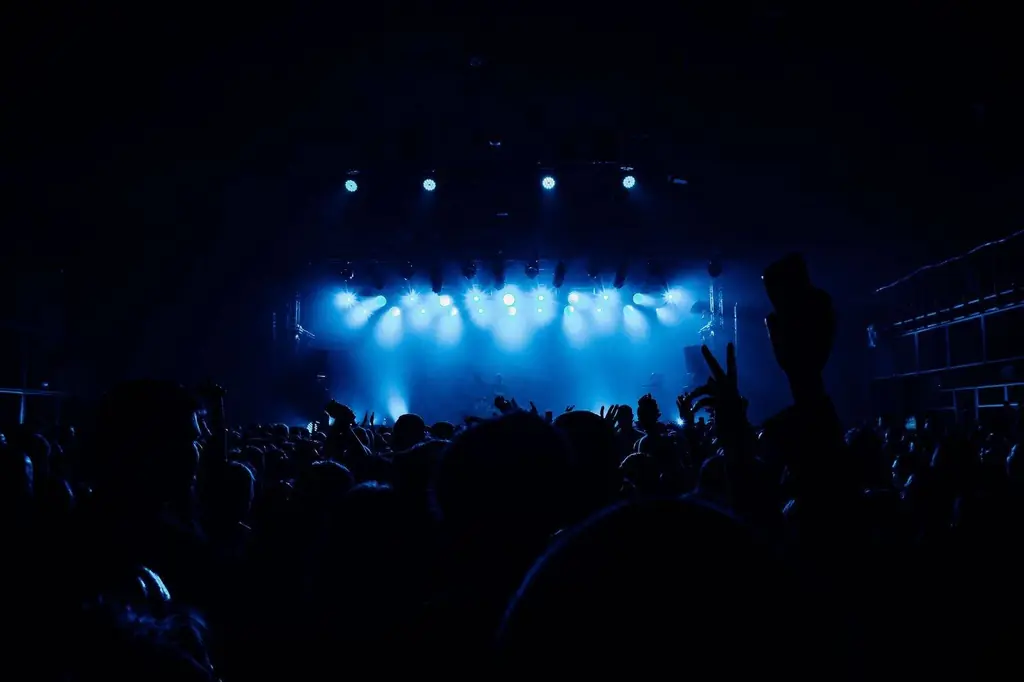
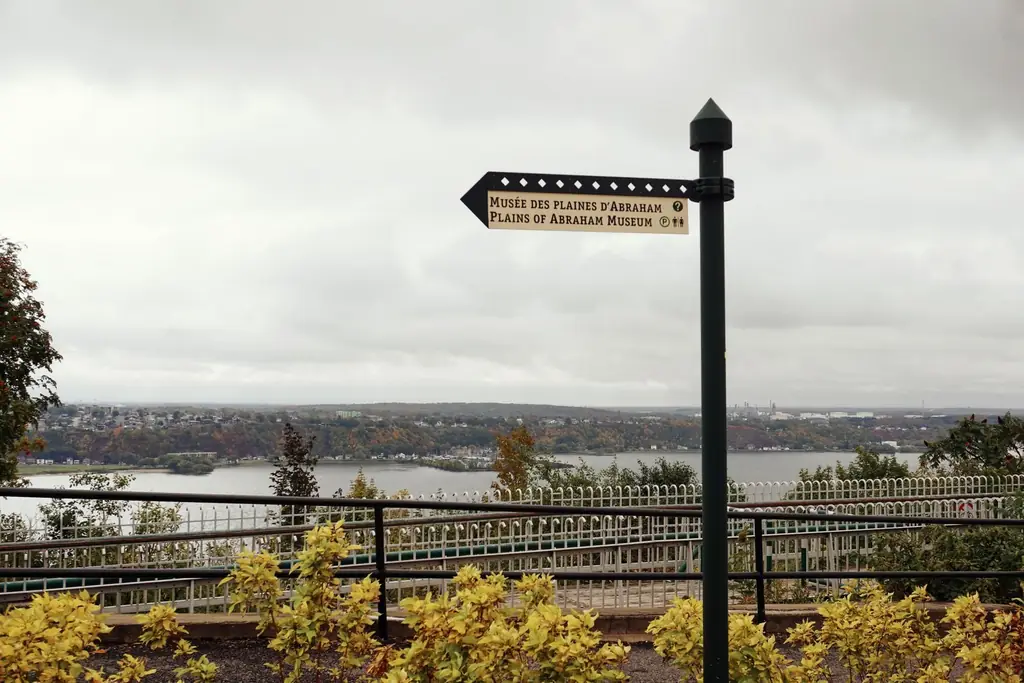
- Plains of Abraham. The biggest stage, and the one most visitors mean when they say "the FEQ". A pass is required. The main entrance is at the Cross of Sacrifice, with a secondary entrance at Cap-Blanc. The Plains have hosted the festival's main stage since 1999 and are managed by the National Battlefields Commission, a federal agency that describes the park as an urban historic park with around four million visitors a year. You can read its own note on the festival partnership.
- Place George-V and Parc de la Francophonie. Two stages side by side that alternate performances. The main entrance is on rue Jacques-Parizeau; the site is reached on foot from Parc de la Francophonie by a pedestrian bridge over the Grande Allée. The festival notes that guests with reduced mobility and families with strollers can enter Place George-V directly from the Grande Allée.
- Free and indoor sites. Place de l'Assemblée-Nationale and Place D'Youville are free; the Armoury, the festival's headquarters, hosts extra indoor shows.
The festival's own summary is that all the sites are close together and reachable on foot. That single sentence shapes every transport decision below.
Getting to Québec City for the festival: the long way in
Most readers of a limo guide are not starting in Québec City. The honest distances:
- Montréal to Québec City is about 255 km by Highway 40 on the north shore (Highway 20 on the south shore is the alternative), usually 2 hours 45 minutes to 3 hours without a stop. Trois-Rivières sits close to the midpoint; our Montréal to Québec City car service page covers the route.
- Toronto to Québec City is roughly 800 km, which is an early start or a split trip rather than a commute. If you are travelling from our Toronto base, read the Toronto to Québec City car service page before you decide between driving, flying and the train.
- Jean Lesage International Airport (YQB) is about 16 km from downtown according to Québec City tourism, usually 20 to 30 minutes off-peak and longer at rush hour. See the Québec City airport limo page for the pickup procedure.
- Gare du Palais, the VIA Rail station in the lower town, is the other arrival point; details are on our Gare du Palais car service page.
Plan the arrival day as its own event. A hotel that is five minutes away on a quiet Tuesday can take twenty on a festival Friday, so if you are arriving on the day of a headline show, be in the city by early afternoon, before the perimeter closures begin.
How the festival closes the streets
This is the part most visitors learn too late. According to the festival's getting-to-the-festival page, the pedestrian perimeter around the sites closes to traffic from 3:30 p.m. to 1 a.m. on Monday to Friday and from noon to 1 a.m. on Saturday and Sunday. In addition, the Grande Allée closes to eastbound traffic at Avenue Holland from 3:30 p.m., and the southern sector is reached via René-Lévesque and connecting streets.
Those are the hours the festival published for its most recent edition, so confirm them against the festival's transport page when your year's schedule is out. The practical reading for a car is simple:
- Anything you need to do on the Grande Allée by car should be done before mid-afternoon on weekdays and before noon on weekends.
- After those times, a car does not drive to the gate. It reaches the edge of the perimeter and stops.
- The edge moves with the day. A Saturday perimeter closes earlier than a Tuesday perimeter, and a Saturday pickup at 11 p.m. is a very different problem from a Tuesday one.
Where a car can and cannot stop
The festival publishes a pick-up zone map for its shuttle buses and no car drop-off zone of its own. The page does not mention taxis or private cars at all, and we will not pretend there is a reserved lane for them. What we can say, in general terms, is how a chauffeur handles an event perimeter like this one:
- The drop-off is outside the closure line, on a street that stays open, on the side of the neighbourhood closest to your entrance.
- For the Plains of Abraham, that means stopping short of the closure and walking in through the main entrance at the Cross of Sacrifice or the secondary one at Cap-Blanc, rather than trying to drive along the Grande Allée once it is closed.
- For Place George-V, a drop on a connecting street off René-Lévesque, followed by a short walk to the Jacques-Parizeau entrance, is generally easier than approaching from the Grande Allée side.
- For the free stages at Place D'Youville and Place de l'Assemblée-Nationale, you are close to Old Québec, and walking from the hotel is the simplest plan.
Your chauffeur confirms the exact stopping point with you before the evening, and adjusts on the day if the police or traffic agents have moved the cones. The rule is to agree one meeting point in advance and one fallback, then stick to them.
The pickup plan after the last encore
The hour after a headliner is the problem, not the drive. Tens of thousands of people leave at once, the shuttles load in the same few zones, and anything with a meter or an app is competing for the same kerbs. A calm plan beats a quick one:

- Pick a meeting point away from the exit. Not at the gate, not on the Grande Allée. A side street five to ten minutes' walk from the site, on the same side of the perimeter as your hotel, is better than the busiest corner.
- Share it by name. A cross street the whole group can find on a phone, not "near the stage".
- Leave a margin. Some groups leave a song early to beat the crowd; others stay to the end and wait for it to thin. Either works if the group has agreed it.
- Keep a fallback. A second named street, agreed in advance.
Your chauffeur tracks the show's end time and keeps the car close enough to move when you call. Waiting time and fixed-fare terms are set when you book, and the booker shows the exact all-in fare for your address and vehicle before payment.
Hotels: Old Québec, the Grande Allée and Sainte-Foy
Where you sleep decides whether you need a car at all.
- Old Québec and the Grande Allée. If your hotel is inside or just outside the walls, the festival sites are a walk. A car helps only on arrival and departure days, and the best arrival method is a drop at the hotel entrance before the afternoon closures.
- Sainte-Foy and the airport corridor. More parking and quieter streets, but a clear need to get downtown and back. This is where a private car or the festival shuttles earn their place.
- Lévis. The festival's transport page notes that the Québec–Lévis ferry increases departures on festival nights, with supervised pedestrian crossings from the Port of Québec terminal. For visitors staying across the river, the ferry plus a short ride can beat the bridges.
If you are building a longer stay, our Québec City limo page covers hotels, Old Québec and the surrounding region, and the Québec hub lists every Québec service we run.
Groups, families and accessibility
Groups of six or more are the clearest case for pre-booking. A single Executive Sprinter carries 12 to 14 passengers with luggage, a Luxury SUV carries up to six, and an Executive Sedan takes up to three. Stretch limousines and party buses can be arranged for larger or celebration groups; availability and the exact vehicle are confirmed at booking. Child, toddler and booster seats can be requested at booking, which matters if you are bringing children to a late show.

On accessibility, the festival states that guests with reduced mobility attending general admission shows can enter Place George-V from the Grande Allée, and it links to a dedicated limited-mobility page. If you or someone in your group needs step-free access, read that page first and tell us at booking; a short ride to a reachable gate beats a long walk to the wrong one.
July weather in Québec City
July is warm, often humid and prone to afternoon storms. Concerts continue in light rain; a heavy thunderstorm can pause a show and slow the exit. Bring a rain layer and choose a meeting point with shelter nearby if the forecast is unsettled. Flights are tracked on every airport pickup, so a weather delay is built into the plan.
When the bus, the ferry or your own feet are better
We would rather you chose the right option than the wrong car. The table sets out the real alternatives for a festival evening.
| Option | Time and effort | Cost note | Best for |
|---|---|---|---|
| Walking | Short from Old Québec and the Grande Allée hotels | Lowest | Anyone staying near the sites |
| RTC buses and Festibus | Frequent on festival days, scheduled around show end times | Low; buy tickets before you reach the lots | Solo visitors and couples on a flexible budget |
| Park-and-ride lots | Free lots, then a shuttle downtown | Low | Day-trippers with their own car |
| Québec–Lévis ferry | More frequent crossings on festival nights | Low | Visitors staying in Lévis |
| Taxi or rideshare | Competes with everyone else at the perimeter after the show | Meter plus surge | Short, one-off trips |
| Private chauffeur | Door to a named meeting point outside the closures, tracked flight or train arrival | Fixed fare via the booker | Groups, late returns, long arrivals from Montréal or Toronto |
The honest summary: if you are staying within a fifteen-minute walk, walk. If you are coming from the suburbs for one show and accept a queue, the festival's shuttle system is built for you. A private car makes sense for long arrivals, groups, luggage and late returns.
Combining the festival with the rest of Québec City
The festival is rarely the only thing on the itinerary. If you have a free day either side, Montmorency Falls from Old Québec is a short trip from the city, and the winter side of the calendar is covered in our guide to the Carnaval de Québec. If your plans include a wedding or a gala in the old city, see Château Frontenac wedding arrivals. More of our festival and event guides are on the events page, the attractions page and the main blog. For concert and stadium nights elsewhere, the concert and sports limo page lists the venues we cover, including the Montréal limo service for the other end of the corridor.
Booking a festival-night car with TorontoBlackLimousine.net
Everything above rests on one principle: the car is a pre-arranged service, not a gamble at the kerb. Book through our Toronto dispatch, choose the vehicle class that fits the group, and add the details that matter on the night: the show, the site, the hotel and the group size. The booker shows the exact all-in fare for your address and vehicle before payment. Service is available in English and French in Québec, dispatch runs 24 hours, and every vehicle and chauffeur is licensed and commercially insured.
Cancellation terms are the same for every booking: more than 72 hours' notice costs nothing, 72 hours or less is 10%, 48 hours or less is 50%, and 24 hours or less or a no-show is 100%, measured from the scheduled pickup time.
Frequently asked questions
When is the Festival d'été de Québec held?
The festival runs in July. Its official site lists the next edition as 8 to 18 July 2027, and the following one as 6 to 16 July 2028. Dates change each year, so confirm them on the festival's website before you book travel.
How far is Québec City from Montréal for the festival?
About 255 km by Highway 40, usually 2 hours 45 minutes to 3 hours without a stop. On a festival Friday afternoon, allow extra time for the final approach into the city. Our booker shows the exact fare for your pickup address and vehicle before you confirm.
Can a limo drop me at the Plains of Abraham gate?
During the festival the perimeter closes to traffic on weekday afternoons from 3:30 p.m. and on weekends from noon, as published by the festival. A chauffeur drops you outside the closure on an open street and confirms the exact spot with you. The festival publishes no car drop-off zone of its own.
Where is the best place to be picked up after the show?
A street outside the pedestrian perimeter, a short walk from the exit, on the same side as your hotel. Agree one meeting point and one fallback in advance and share both with the group. Waiting at the gate with the entire crowd is the slowest option.
Is there a bus or shuttle for the festival?
Yes. The festival promotes the RTC bus network, which adds buses and frequency during the festival, and a Festibus service with park-and-ride lots. Transport tickets are not sold in the shuttle lots, so buy them beforehand. A pick-up zone map for the shuttles is on the festival website.
Is the festival accessible for guests with reduced mobility?
The festival publishes a limited-mobility page and notes that guests with reduced mobility at general admission shows can enter Place George-V from the Grande Allée. Tell us at booking if anyone in your group needs step-free access so the meeting point can be chosen accordingly.
Does the limo take me from Toronto to Québec City?
Yes. Toronto to Québec City is roughly 800 km, so most guests treat it as a full travel day or a split trip. See our Toronto to Québec City page for routing and stops, and book through the online booker for the exact fare.