 United StatesJFK
 MexicoMEX
 BrazilGRU
 ArgentinaEZE
 ChileSCL
 ColombiaBOG
 PeruLIM
 PanamaPTY
 Costa RicaSJO
 Dominican RepublicPUJ
 JamaicaMBJ
 BahamasNAS
 BarbadosBGI
 United KingdomLHR
 IrelandDUB
 FranceCDG
 GermanyFRA
 NetherlandsAMS
 BelgiumBRU
 SwitzerlandZRH
 AustriaVIE
 ItalyFCO
 SpainMAD
 PortugalLIS
 GreeceATH
 TurkeyIST
 DenmarkCPH
 SwedenARN
 NorwayOSL
 FinlandHEL
 PolandWAW
 Czech RepublicPRG
 HungaryBUD
 IcelandKEF
 United Arab EmiratesDXB
 QatarDOH
 Saudi ArabiaRUH
 IsraelTLV
 EgyptCAI
 MoroccoCMN
 South AfricaJNB
 KenyaNBO
 NigeriaLOS
 IndiaDEL
 PakistanLHE
 Sri LankaCMB
 SingaporeSIN
 MalaysiaKUL
 ThailandBKK
 VietnamSGN
 PhilippinesMNL
 IndonesiaCGK
 Hong KongHKG
 ChinaPVG
 TaiwanTPE
 JapanHND
 South KoreaICN
 AustraliaSYD
 New ZealandAKL
A gallery that never closes, and a car that has to
Nuit Blanche is the City of Toronto's annual all-night celebration of contemporary art. It is produced by the City with the arts community, and the locations, theme, curators and artists change every year. That last point is the most important one for anybody planning transport. A route that worked last year is not a route; it is a memory. Each October the map is redrawn, installations appear in unexpected places, and the streets that are easy at 8 pm may be closed to vehicles by 10.
We write about this event from the curb. The question we hear is never whether the art is good. It is whether a car is sensible on a night when the downtown core is full of pedestrians, some streets are shut and the last train home may be an hour before you finish. This post answers that honestly, including the large part of the night when a car is the wrong tool.
If you have never done Nuit Blanche, treat it as a pedestrian festival with a vehicle for the long gaps. The art is on foot. The car is for the hotel, the dinner before, the jump across town when the crowd at one cluster is too thick, and the ride home at the end.
When is Nuit Blanche Toronto?
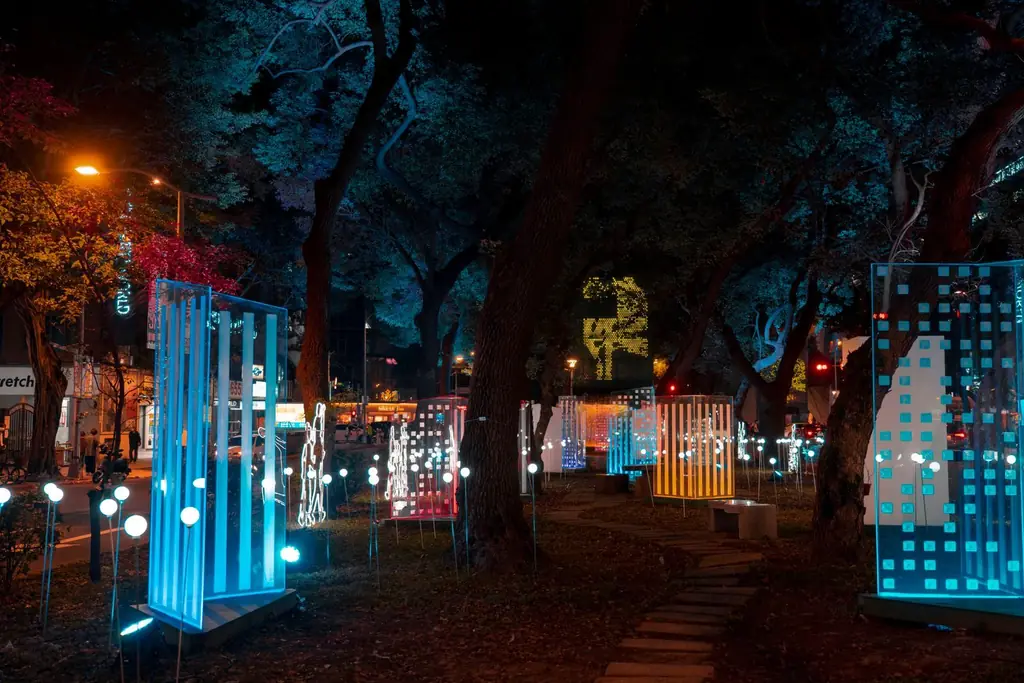
The 2026 Nuit Blanche Toronto ran from 7 pm on Saturday, October 3 to 7 am on Sunday, October 4, its 20th edition, under the theme Tomorrow's Memories. The City also lists an extended program of selected projects running until October 10. The next main-night date is announced by the City each year.
Those details are from the City of Toronto's festival page and the 2026 festival coverage. The City's page describes Nuit Blanche as an annual all-night event, and its record since 2006 is almost 1,800 art installations by about 6,350 artists. The number of projects shrinks and grows. A 2026 festival preview counted 70 art projects, compared with 88 the year before and more than 110 in 2015.
Today is October 8, and the main night has just passed. That is useful in two ways. First, the extended projects mean a small part of the program is still on until October 10, so you can see something this week without the crowd. Second, you are reading this with the whole year to plan the next one. The official page is the place to confirm anything: City of Toronto Nuit Blanche.
How the night is usually shaped
A twelve-hour festival does not run at one tempo, and the best plans follow the tempo.
- 7 pm to 10 pm: The first wave. Families and early arrivals, queues at the headline works, and the heaviest pedestrian numbers around the core.
- 10 pm to 1 am: The peak. Restaurants and bars along the route are busy, crowds are at their thickest, and any road a pedestrian can take over, they do.
- 1 am to 4 am: The long middle. Crowds thin to the committed, installations at the edges become easier to reach, and transit gets sparse.
- 4 am to 7 am: The finish. Cold, quiet and unexpectedly beautiful. A pre-booked ride is worth more here than at any other hour.
The night rewards a staggered plan. Do the busiest cluster when it opens, move out of the core at the peak, then come back at 2 or 3 am when the same place is easy.
The 2026 centre of gravity: Queen Street around City Hall
Coverage of the 2026 program placed several named projects on and around Queen Street West in the heart of downtown: one at Queen and University, one at Old City Hall and one at Queen and Bay. Whatever next year looks like, the same stretch is usually a good place to begin planning because it has the greatest density of hotels, subway stations and restaurants of any part of the city.
Distances from there are short. Old City Hall to Union Station is roughly 1.3 km. Queen and University to the Distillery District is roughly 3 km. To the Fort York and CityPlace area, where the festival has had local business sponsors, it is roughly 2.5 km west. A car does not save time over any of these distances at 9 pm on the festival night; it saves your feet.
Where a car can stop, and where it cannot
The honest rule for Nuit Blanche is that the City sets the closures and publishes the access information, and the map for any year is published in the City's access guide. For 2026 that was the City's Nuit Blanche 2026 Access Guide, a downloadable PDF. We cannot say in advance which blocks will close, and we do not guess.
What we can say is how a chauffeur works around them:
- We confirm your first stop and your last stop before the night, not during it.
- We choose drop-off points on a street that is open, usually one or two blocks off the installation, and walk you the last stretch on foot.
- We agree a meeting point that is not a pickup on the main drag. A side street east or west of the core is far faster than a crowd.
- We tell you plainly when the vehicle cannot get closer. If the street is closed, it is closed.
Do not ask a driver to wait kerbside on a festival street. You will be asked to move, and the driver will not be able to stay. Tell us your stop and we arrange the exact pickup by message.
A sample route in four stops
This is a template for planning, not a statement about the 2026 installations. Replace the stops with the current year's clusters.
- Dinner, then the core (7 pm to 9 pm). Eat near the core before the crowd is thickest. Hotels and restaurants within walking distance of Queen and University make a car unnecessary for this step. If you are coming from Pearson, the transfer is about 27 km and usually 30 to 50 minutes to the downtown core; see our Pearson Airport limo page for terminal pickup.
- The first cluster on foot (9 pm to 11 pm). Walk the nearest cluster with the crowd. Do not use the car here.
- The jump (11 pm to midnight). Use the vehicle for the long gap: from the core to the next cluster, which in a given year may be at the Distillery District, the waterfront or Fort York, roughly 2.5 to 3 km away. Ask the chauffeur to drop you a block short.
- The late return (2 am to 4 am). Return to the first area when it is quiet. The same installation that was a two-hour queue at 9 pm may be a walk-up at 3 am.
An hourly chauffeur is the natural fit for this kind of night, because the vehicle stays with you instead of being re-booked at each stop. Ask for the exact vehicle in the booker. For groups of friends, a night-out limo works the same way.
Getting around at 3 am
The hardest hours for transport are 1 am to 5 am. Anything that depends on a schedule is less reliable, and anything that depends on a surge price is less pleasant. Check the TTC's current late-night service for the festival night directly with the TTC, because it changes with the year and with maintenance. We do not repeat guesses about all-night service.
A chauffeur's advantage in the small hours is simple: 24/7 dispatch, a fixed fare quoted before you pay and no search for a car on a crowded street. The vehicle can be waiting at a pre-agreed side-street pickup with the engine warm, and you do not have to open an app at 3 am with a dead battery.
Groups, couples and the people who do not like crowds
Different parties need different plans.
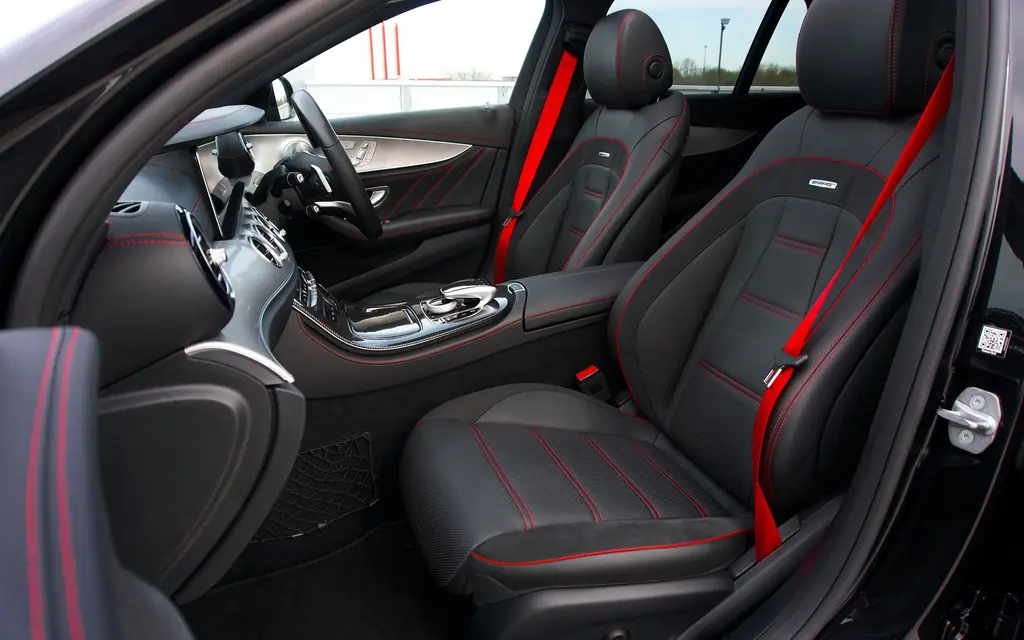
- Couples: An Executive Sedan takes up to three passengers and is the discreet choice for a quiet night. Book the car for the long gaps and the final ride.
- Groups of six or fewer: A Luxury SUV seats up to six and the extra space is welcome when someone has a camera bag or a tripod.
- Larger groups: A Stretch Limousine takes 8 to 10 passengers on an hourly basis, and a mini-coach or party bus takes 20 to 30. Availability and the exact vehicle are confirmed at booking.
- People who dislike crowds: The extended projects and the 3 am hours are the quiet versions of the same event.
Alcohol rules follow Ontario law and are confirmed at booking. We do not promise drinks on board, and for a night with this much walking and this many streets the more important plan is to know exactly how everybody gets home.
Accessibility and weather
The City publishes an access guide for the festival every year. Use it to learn which projects have step-free access, which are seated and which have quiet viewing options. A chauffeur can help with the part of the night the guide cannot: getting a wheelchair user or an older relative to a drop-off as close as the closures allow. Tell us at booking what the person needs, and we will confirm what the vehicle can do.
October nights in Toronto can run from comfortable to properly cold. At 4 am by the lake the wind is real, and the walk between the car and an installation counts as time outdoors. Dress for the coldest hour, not the first one.
The honest alternatives
Nuit Blanche is one of the few Toronto events where leaving the car out is often right. A comparison:
| Option | Best for | Cost note | Weak point |
|---|---|---|---|
| Walking the core | the dense clusters near Queen Street | free | long distances between clusters |
| TTC subway and streetcars | getting into the core early | lowest | fewer services late; check the TTC |
| Bike share | short jumps between clusters | low | cold at 3 am, crowded docks |
| Rideshare | single short hops | variable, surge during the festival | pickup spots are harder to reach |
| Taxi | street hail near hotels | meter plus demand | queues around the closures |
| Private chauffeur | long gaps, groups, the 3 am ride home | fixed fare via booker | cannot enter closed streets |
If you are two people on a budget and you live near the subway, the TTC and your feet are the better choice for most of the night. The chauffeur earns the fare at the start, in the middle and at the end.
What to read next
If you enjoy a planned night in the downtown core, our guide to Cavalcade of Lights at Nathan Phillips Square covers the other big annual evening on the same blocks. For a winter evening with crowds and a pedestrian site, read the Distillery Winter Village guide. The wider list of seasonal planning posts is on the events page, and the blog has the rest. For vehicles, the fleet page shows each class and its limits.
Frequently asked questions
When is Nuit Blanche Toronto?
The 2026 main night was from 7 pm on October 3 to 7 am on October 4, and the City lists an extended program running until October 10. Each year's date is announced by the City, so check its Nuit Blanche page before planning.
How much is a limo for Nuit Blanche?
We do not publish prices on this site. Downtown to the Distillery is about 3 km and usually 10 to 20 minutes, and the booker shows the exact all-in fare for your pickup address and vehicle before you pay.
Can a car drive me to the art installations?
Only as close as the open streets allow. The City sets the closures, and a chauffeur will use the nearest open street and tell you if the last block must be on foot.
Is Nuit Blanche good with young children?
The early evening is the family window, since crowds and noise increase later. Child, toddler and booster seats can be requested at booking for the car portion of the night.
How do I get home at 4 am?
Pre-book. Our dispatch is available 24/7, the fare is fixed before you pay, and we agree a side-street pickup by message so the car is not trapped in a crowd.
Is the festival free?
Check the City's festival page for current ticketing and access details, and the access guide for each project. We do not repeat details we cannot confirm.
Can I book a limo for the whole night?
Yes, an hourly booking keeps one vehicle with you. Ask for the class in the booker; stretch limousines and party buses are confirmed at booking.
Does it matter that I am staying near Pearson?
The transfer is about 27 km to the downtown core and usually 30 to 50 minutes. Leave extra time on the festival night because downtown access is slower than normal.
What if the weather turns?
October nights can be cold and wet. Plan the car for the long gaps and the ride home, and dress for the coldest hour of the night.